Blog:How Connective Tissue Grafts and Bone Regeneration Work Together for Better Implant Outcomes
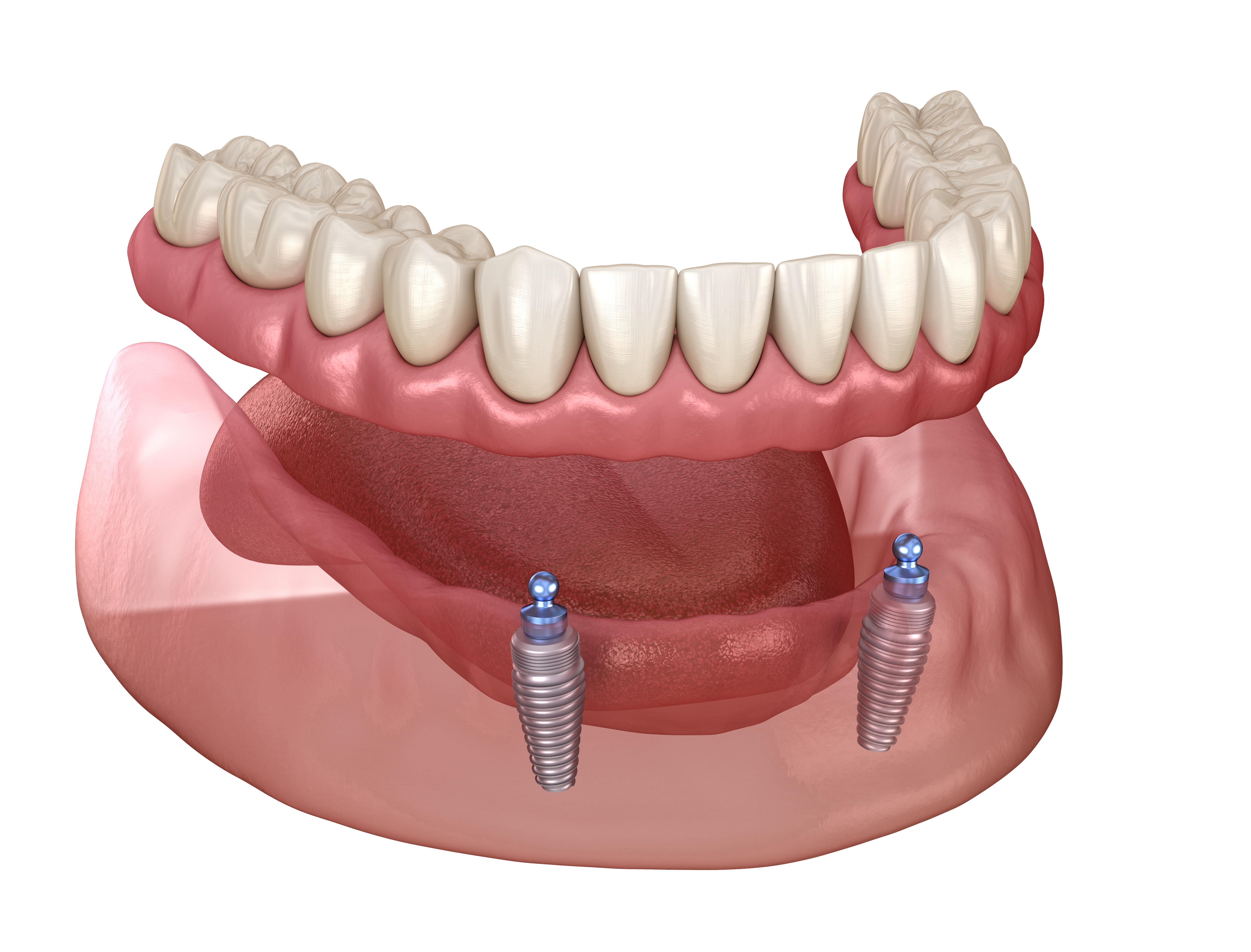
Successful dental implant treatment depends on more than placing an implant in the correct position. The surrounding bone and gum tissue must also provide enough support to protect the implant, promote healing, and create a natural appearance. When either type of tissue is deficient, connective tissue grafts and bone regeneration may be combined to establish a stronger implant foundation.
Dental implants rely on adequate jawbone for stability. Bone loss caused by missing teeth, periodontal disease, trauma, or infection can leave the ridge too narrow or shallow for predictable implant placement.
Healthy gum tissue is equally important. Thin or insufficient tissue around an implant may contribute to recession, visible implant components, sensitivity, or difficulty maintaining the area. A well-planned implant procedure considers both hard tissue and soft tissue needs before treatment begins.
Bone regeneration is used to rebuild areas where the jaw lacks sufficient volume. A grafting material is placed within the deficient area and protected during healing, allowing new bone to develop and strengthen the implant site.
Depending on the patient’s anatomy and treatment plan, bone grafting may be completed before implant placement or at the same appointment. The goal is to create enough bone width and height to support proper implant positioning and long-term function.
A connective tissue graft adds thickness to the gum tissue around a natural tooth or dental implant. Tissue is commonly collected from beneath the surface of the palate and carefully placed in the treatment area.
Connective tissue grafting may help:
• Increase gum tissue thickness around an implant
• Cover exposed areas and improve tissue contours
• Support a more natural-looking restoration
• Reduce the risk of future recession
• Make the implant area easier to clean and maintain
Bone regeneration and connective tissue grafting address different parts of the implant site. Bone grafting develops the structural foundation, while connective tissue grafting improves the protective gum layer above it.
Combining these procedures can be especially valuable in the front of the mouth, where tissue contours and symmetry affect the final appearance. Adequate bone helps support the implant in the planned position, while thicker gum tissue can help conceal implant components and create a smoother transition between the restoration and surrounding teeth.
Not every implant patient requires both procedures. Clinical examination, periodontal evaluation, and three-dimensional imaging can help determine the amount of available bone, gum tissue thickness, and location of important anatomical structures.
The timing of grafting also depends on the size of the defect, implant stability, healing capacity, and restorative goals. Some cases allow bone and connective tissue grafting to be performed with implant placement. More complex deficiencies may require treatment in separate stages.
Understanding how hard tissue and soft tissue procedures complement one another helps clinicians develop more comprehensive implant treatment plans. Proper case selection, surgical technique, and postoperative management are essential for supporting predictable healing and better implant outcomes.
Advance your implant dentistry knowledge with RWC Implant Study Club to learn about upcoming courses on connective tissue grafts and bone regeneration. Contact our office in Redwood City, CA, by calling (650) 701-1111 or emailing rwcistudyclub@gmail.com.
Flowbite is an open-source library of interactive components built on top of Tailwind CSS including buttons, dropdowns, modals, navbars, and more.
Check out this guide to learn how to get started and start developing websites even faster with components on top of Tailwind CSS.
We offer a wide variety of dental services to the Redwood City community. Contact us with any questions about our services.

For non-urgent questions or to learn more about our services, contact us today!

RCW Implant Study Club is a world-class center featuring implant specialists from across the globe.
© 2026 RWC Implant Study Club. All rights Reserved - Accessibility Statement - Privacy Policy - Sitemap
Managed and Designed by