Blog:Dental Implant Complications: What Every Dentist Should Know
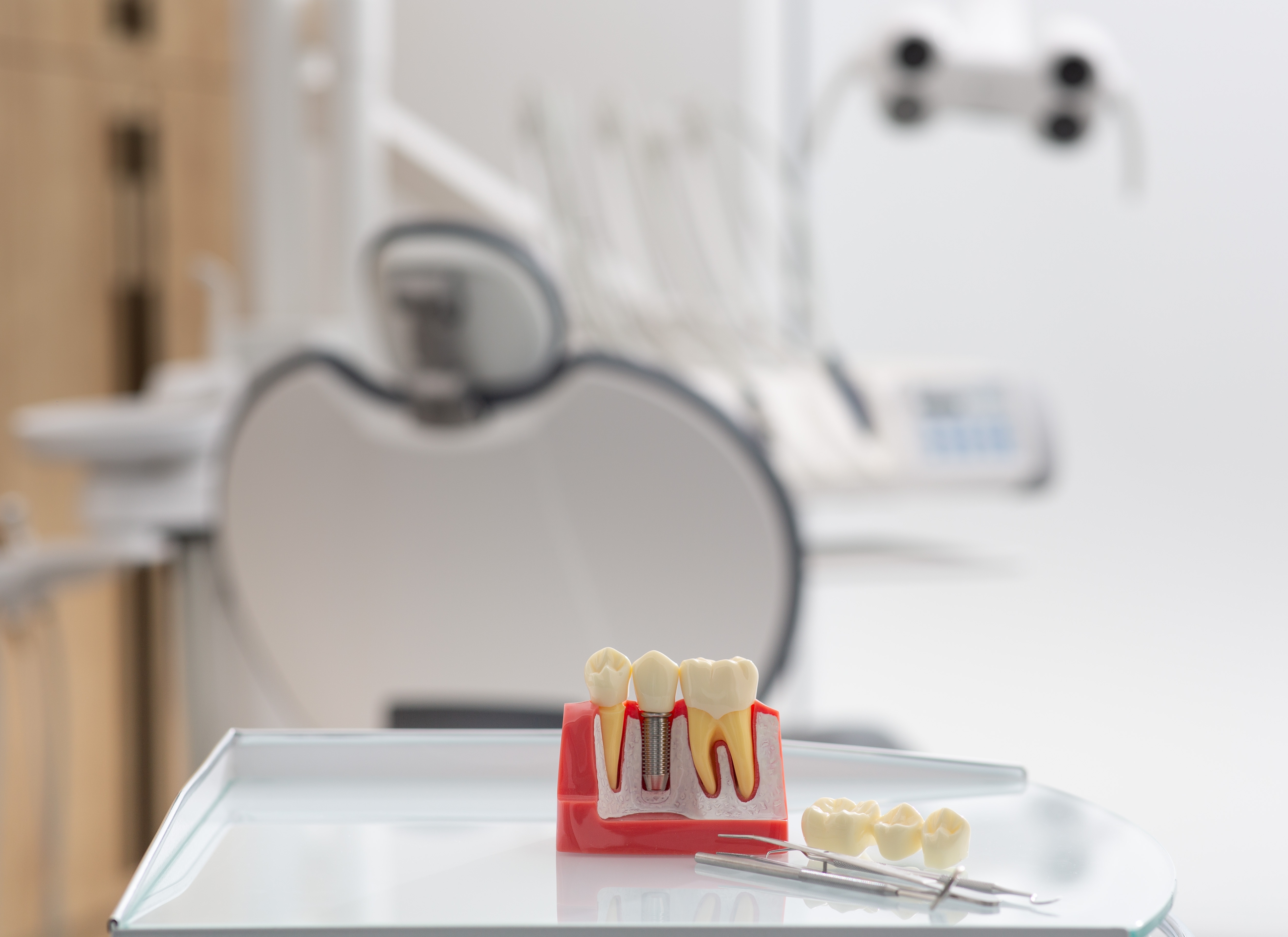
Dental implants offer a reliable solution for replacing missing teeth, but even well-planned procedures can encounter complications. Understanding the potential risks, recognizing early warning signs, and knowing how to manage complications are essential skills for any dentist performing implant procedures.
At RWC Implant Study Club, we provide advanced dental implant education to help clinicians improve their surgical skills, strengthen treatment planning, and manage challenging cases with greater confidence.
Dental implant complications can develop during surgery, throughout healing, or years after placement. Some are related to patient health, while others involve surgical technique, implant positioning, or restoration design.
Common complications include:
• Peri-Implantitis: Inflammation around an implant accompanied by progressive supporting bone loss, which can threaten long-term stability.
• Implant Failure: Failure to achieve or maintain osseointegration, potentially requiring implant removal and further treatment.
• Infection: Bacterial infections around the surgical site that may interfere with healing and implant success.
• Mechanical Complications: Loose or fractured screws, damaged restorations, and other prosthetic problems that affect implant function.
• Soft Tissue Complications: Gingival recession, inadequate tissue support, or esthetic concerns surrounding the implant.
• Nerve or Sinus Injuries: Potential surgical complications associated with implant placement near sensitive anatomical structures.
Early recognition and appropriate clinical intervention can help prevent certain complications from progressing.
Successful implant dentistry begins before surgery. A comprehensive evaluation helps identify potential complications and determine whether a patient is an appropriate candidate for treatment. Factors such as bone quality, periodontal health, smoking habits, systemic conditions, and implant positioning can influence outcomes.
Using diagnostic imaging, including CBCT when clinically indicated, allows dentists to assess important anatomical structures and plan implant placement more precisely. At RWC Implant Study Club, we emphasize the importance of comprehensive treatment planning and evidence-based surgical techniques to support predictable clinical outcomes.
When complications occur, identifying the underlying cause is critical. Treatment may involve managing inflammation, addressing mechanical issues, modifying restorations, or considering surgical intervention.
Regular follow-up appointments also play an important role in monitoring implant health. Evaluating surrounding tissues, assessing bone levels when indicated, and identifying changes in implant stability can help dentists recognize developing problems.
Continuing education provides valuable opportunities to strengthen clinical decision-making and improve the management of complex implant cases.
At RWC Implant Study Club, we are hosting our upcoming Implant Complications Lecture on Friday, November 6, 2026. This educational opportunity is designed for dental professionals interested in expanding their understanding of implant complications and strengthening their approach to managing challenging clinical situations.
Whether you are beginning to incorporate dental implants into your practice or looking to advance your existing skills, continuing implant education can help you make more informed treatment decisions.
Expand your knowledge of dental implant complications by registering for our upcoming lecture at RWC Implant Study Club. Call our office in Redwood City, CA, at (650) 701-1111 or emailing rwcistudyclub@gmail.com to learn more.
Flowbite is an open-source library of interactive components built on top of Tailwind CSS including buttons, dropdowns, modals, navbars, and more.
Check out this guide to learn how to get started and start developing websites even faster with components on top of Tailwind CSS.
We offer a wide variety of dental services to the Redwood City community. Contact us with any questions about our services.

For non-urgent questions or to learn more about our services, contact us today!

RWC Implant Study Club is a world-class center featuring implant specialists from across the globe.
© 2026 RWC Implant Study Club. All rights Reserved - Accessibility Statement - Privacy Policy - Sitemap
Managed and Designed by