Blog:Why Continuing Dental Education Throughout Your Career Is Important
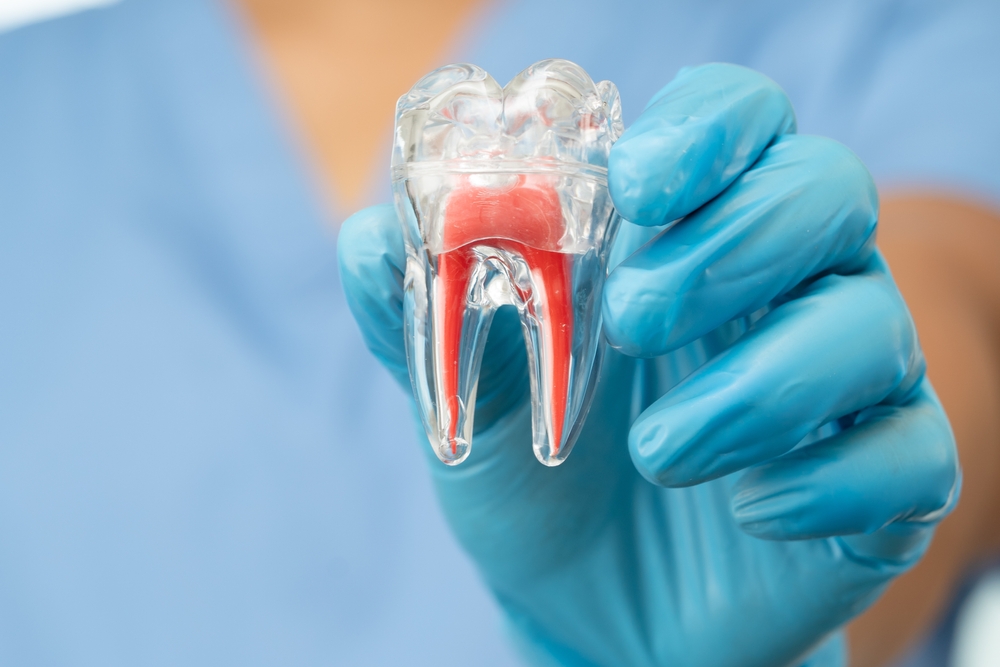
Dentistry is a profession built on precision, trust, and constant advancement. Implant dentistry continues to evolve rapidly, with new techniques, technologies, and clinical protocols emerging each year. Staying current through ongoing education allows clinicians to refine their skills, expand their treatment offerings, and deliver better outcomes for their patients.
Whether you are early in your implant career or have placed hundreds of implants, continuous learning plays a critical role in long-term success and professional confidence.
Dental implants are no longer limited to straightforward single-tooth cases. Today’s implantologists are expected to manage increasingly complex situations, including compromised bone, esthetic challenges, and medically complex patients.
Continuing education provides hands-on opportunities to:
• Refine surgical protocols
• Learn updated implant placement strategies
• Incorporate new materials and technologies
• Stay aligned with current evidence-based practices
Courses focused on implant dentistry help ensure that your techniques remain efficient, predictable, and safe as standards of care evolve.
One of the most significant benefits of continuing education is the opportunity to improve hands-on surgical skills. Advanced implant courses allow clinicians to strengthen foundational techniques while progressing to more complex procedures.
Key skills that continuing dental education helps enhance include:
• Flap design and management to improve access and healing
• Advanced suturing techniques for optimal soft tissue closure
• Precise implant placement for long-term stability and prosthetic success
• Soft tissue procedures, including Free Gingival Grafts (FGG) and Connective Tissue Grafts (CTG), to improve peri-implant health and esthetics
As implant cases become more complex, confidence in these techniques becomes essential for predictable outcomes.
Continuing education allows implantologists to move beyond basic cases and confidently treat patients who may otherwise require referral. Advanced training opens the door to procedures that significantly broaden your scope of care.
Through specialized implant education, clinicians can learn:
• Sinus lift procedures for posterior maxillary implant placement
• Ridge expansion and ridge augmentation to address horizontal bone deficiencies
• Bone grafting techniques for compromised sites
• Strategies for managing esthetic zone challenges
Mastering these advanced procedures not only improves clinical outcomes but also allows you to provide comprehensive implant solutions in-house.
Continuing dental education is a lifelong investment that benefits both the clinician and the patient. For dental implantologists, ongoing learning strengthens surgical skills, expands treatment capabilities, and ensures alignment with modern standards of care. In a field that never stands still, the most successful implantologists are those who commit to continuous growth.
Flowbite is an open-source library of interactive components built on top of Tailwind CSS including buttons, dropdowns, modals, navbars, and more.
Check out this guide to learn how to get started and start developing websites even faster with components on top of Tailwind CSS.
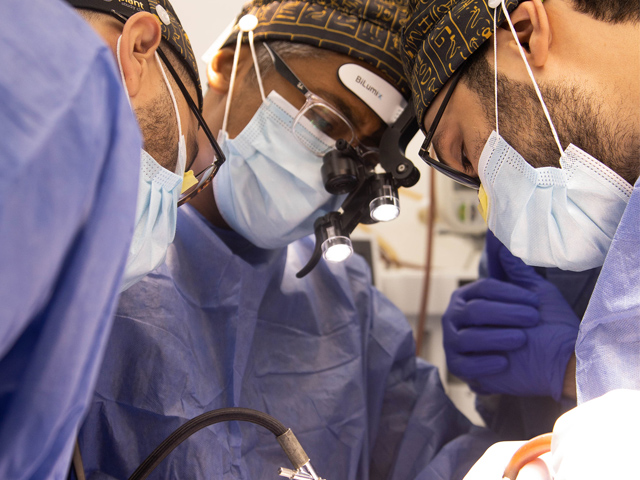
We offer a wide variety of dental services to the Redwood City community. Contact us with any questions about our services.

For non-urgent questions or to learn more about our services, contact us today!

RCW Implant Study Club is a world-class center featuring implant specialists from across the globe.
© 2026 RWC Implant Study Club. All rights Reserved - Accessibility Statement - Privacy Policy - Sitemap
Managed and Designed by